Tile roofs: relay it
or replace it
Spanish tile covers a huge share of Encinitas, Carlsbad and Del Mar — and on most of it, the tile is not what failed. The underlayment beneath wears out decades before the tile does. A lift-and-relay reuses your tile and replaces only the layer that leaks.
The tile outlives the roof under it
Clay tile is rated for 50–100 years, concrete for 30–50. The waterproof sheet beneath both needs replacing every 20–35 years. So on a 1990s tile house in North County, the tile has decades left — and the roof is still due.
That gap is why the relay-vs-replace question decides thousands of dollars. Reusing your tile removes the single biggest material cost of the job.
- Relay: your tile lifted, new underlayment, same tile back. You don’t pay for material you already own.
- Replacement: everything new — right when the tile itself is failing or a profile change is wanted.
- Both: replace the layer that actually leaks, with deck repairs done before anything goes back on.
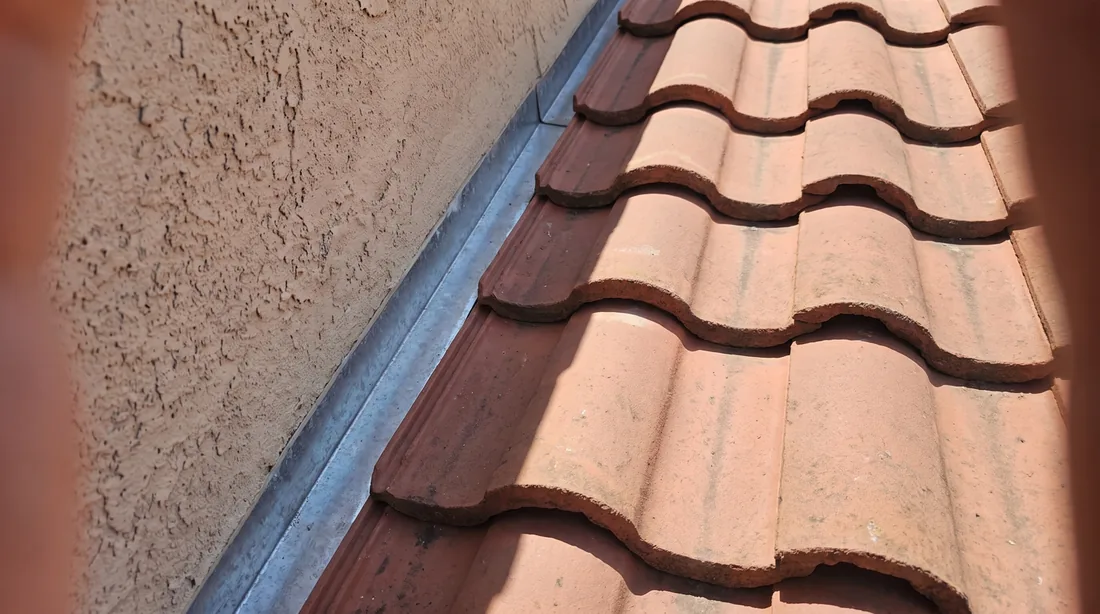
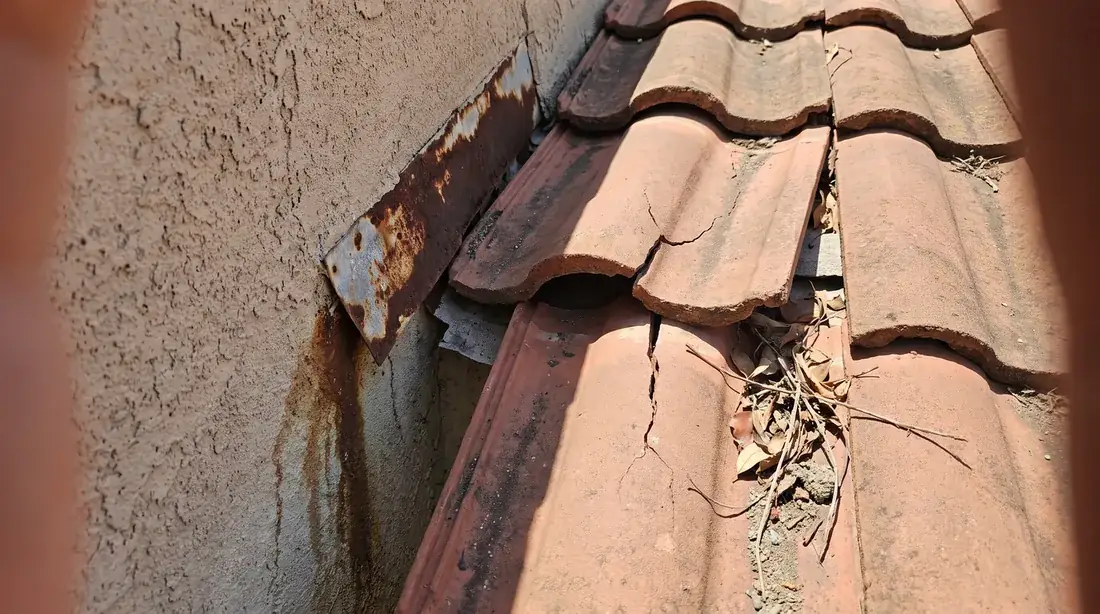
Handled tile by tile
Broken pieces are replaced from stock or salvage so the finished roof matches — because it is the same roof. Some breakage during handling is normal on any tile job; the rate is what confirms a relay was the right call.
Questions we get
What is a lift-and-relay, and is it cheaper than a new tile roof?
A relay lifts your existing tile, replaces the failed underlayment beneath it, and sets the same tile back. Because the tile is reused, it is significantly cheaper than a full replacement — you skip the entire cost of new tile, which is the biggest material line on the job.
How long does a tile roof last in California?
The tile itself is remarkably durable — published lifespan guides put clay at 50–100 years and concrete at 30–50. The underlayment beneath it lasts 20–35 years. On most San Diego tile roofs, the sheet fails decades before the tile does.
My tile roof is leaking but the tiles look fine. Why?
Because the tiles are fine. Tile sheds most of the water; the underlayment underneath is the actual waterproof layer, and when it ages out, water finds the deck. That is exactly the case a lift-and-relay was made for.
Can only part of the roof be relayed?
Yes — commonly one failed slope is relayed while the others wait. The trade-off is that the two sections then age on different clocks, and the rest of the house usually reaches the same decision within a few years.
How do you decide between relay and replacement?
By handling the tile. If most of it survives handling, a relay saves you the entire cost of new tile. If the tile itself is failing or too little survives, replacement is the honest answer. It is judged by hand, not from the ground.
Tile roofing, answered
Can you walk on a tile roof without breaking it?
Yes, if you know where to step. Most homeowners should not try. Here is where weight belongs, and who pays for the tiles that break.
Read the answer →How long does a tile roof last in California?
Tile usually outlasts the waterproof layer beneath it. Learn when repair, relay, or full replacement makes sense in coastal California.
Read the answer →What does a tile roof relay cost against a full replacement?
A relay keeps your existing tile and replaces the sheet underneath. It is the cheaper job, and on many houses it is the right one.
Read the answer →Service areas
Not sure if your tile qualifies for a relay?
Call the roofer, or send the form and he’ll call you. Either way you talk to the person who does the work.